
Have you ever noticed your gums bleeding slightly when brushing or felt a dull ache near your teeth that comes and goes? 😕 Many people experience these signs but chalk them up to brushing too hard or being a little tired.
Gum infections often begin quietly, with only mild irritation or swelling. They’re more common than you might think and can affect anyone, especially those with irregular brushing habits or missed dental check-ups.
In this article, we’ll walk you through what a gum infection really is, what to look out for, and why early care can make all the difference.
🧪 What Is a Gum Infection?

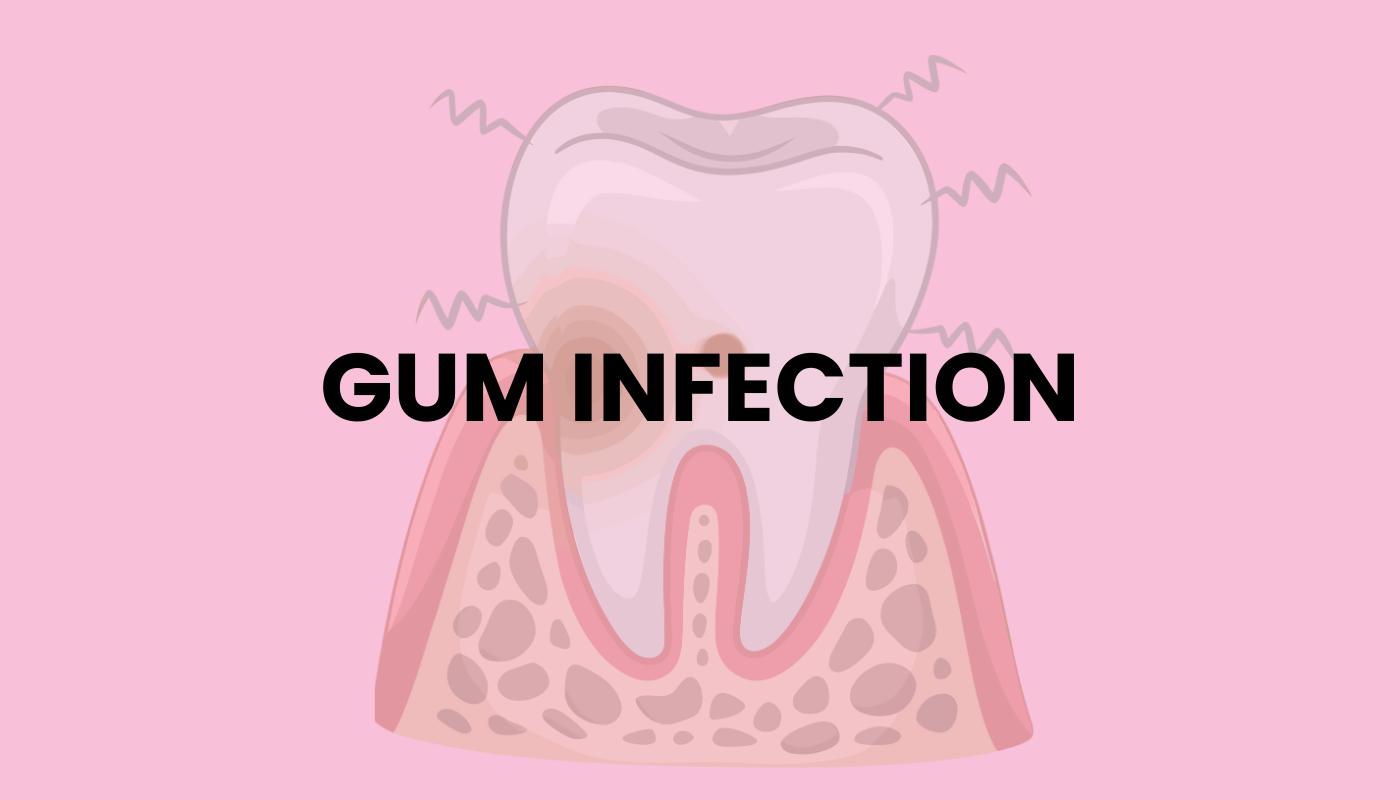
A gum infection is when bacteria build up along the gumline, causing inflammation, irritation, or even damage to the surrounding tissue. 🦠 It typically starts when plaque (a sticky film of bacteria) isn’t fully removed and begins to irritate the gums.
Think of it like a small cut on your skin getting infected because it wasn’t cleaned properly. Your gums respond by becoming red, swollen, or tender. If left alone, the infection can worsen, potentially spreading deeper into the gums and the bone that supports your teeth.
📝 Common Symptoms of a Gum Infection
Gum infections can start subtly and may not always cause pain at first making them easy to miss until the condition becomes more serious.
Symptom | What It Feels Like |
|---|---|
Bleeding Gums | Gums bleed when brushing or flossing, even gently |
Swollen or Puffy Gums | Gums feel tender and appear inflamed or enlarged |
Persistent Bad Breath | Breath smells unpleasant even after brushing |
Redness or Irritation | Gums look darker or more reddish than usual |
Gum Sensitivity | Gums feel sore or irritated when eating or brushing |
Receding Gums | Gums appear to pull away from the teeth |
Pain When Chewing | Mild discomfort or ache when eating tough or chewy foods |
If you notice any of these signs, it’s a good idea to see a dentist before things progress further. 🦷
🧩 Causes & Risk Factors of Gum Infection
Understanding what causes a gum infection can help you prevent it or keep it from coming back.
🔹 Common Causes
- Poor Oral Hygiene: Infrequent or improper brushing and flossing allows plaque to build up.
- Tartar Build-Up: Hardened plaque that isn’t removed through cleanings irritates the gums.
- Leftover Food Particles: Food stuck between teeth can breed bacteria and trigger inflammation.
- Dry Mouth: Reduced saliva flow makes it easier for bacteria to thrive.
- Smoking: Tobacco use lowers the gums’ ability to heal and fight infection.
🔹 Who’s More at Risk?
- People Who Skip Regular Cleanings: Bacteria can build up quietly over time.
- Smokers: Smoking masks early signs and weakens gum health.
- Pregnant Women: Hormonal changes can increase gum sensitivity and risk of infection.
- Diabetics: Higher blood sugar levels can lead to more severe gum problems.
- Elderly Individuals: Aging gums may recede and become more vulnerable. 🧓
⏳ Why You Shouldn’t Delay Treatment
Because gum infections can begin with barely noticeable symptoms, it’s tempting to wait and see if things improve. But untreated gum infections don’t usually get better on their own.
Over time, the infection can damage the soft tissue and bone that hold your teeth in place leading to gum recession, tooth mobility, and eventually, tooth loss. What starts as mild irritation can turn into a serious issue requiring more advanced treatment.
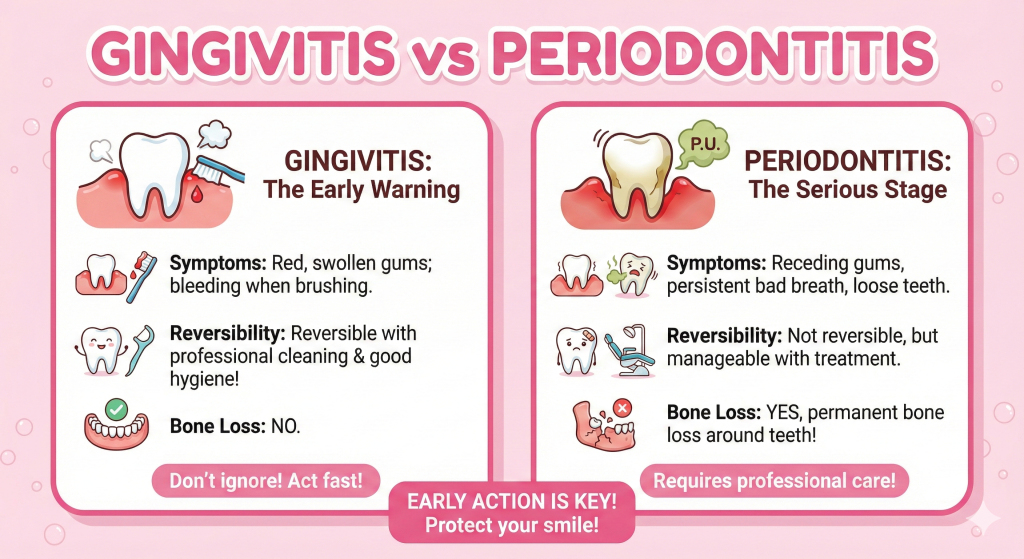
Gingivitis (Early Stage) | Periodontitis (Advanced Stage) | |
|---|---|---|
Symptoms | Red, swollen gums; bleeding when brushing | Receding gums, persistent bad breath, loose teeth |
Reversibility | Reversible with professional cleaning & good hygiene | Not reversible, but manageable with treatment |
Bone Loss | No | Yes, permanent bone loss around teeth |
Early care is much simpler and far more effective. Your gums heal better and faster when problems are caught early. 😊
🧑⚕️ Gum Infection Treatment Options at AllSmiles Dental
At AllSmiles Dental, gum infection treatment starts with a careful evaluation of the affected area. Early infections may be managed with a professional cleaning and improved oral hygiene guidance.
For more advanced cases, our team may recommend scaling and root planing; a deep cleaning procedure that removes bacteria beneath the gumline. In some situations, antibacterial rinses or antibiotics may be prescribed to support healing.
AllSmiles Dental uses gentle techniques and modern tools to ensure your comfort at every stage. We’ll also schedule follow-up appointments to monitor healing and prevent reinfection. 🧑⚕️
🧴 Aftercare & Prevention Tips
Once a gum infection is treated, keeping your gums healthy is all about consistency and good daily habits.
- Brush twice daily with fluoride toothpaste and proper technique.
- Floss every day to remove plaque from between the teeth.
- Use an antibacterial mouthwash if recommended by your dentist.
- Stay hydrated to support saliva flow and oral cleanliness.
- Visit AllSmiles Dental regularly for check-ups and cleanings.
- Eat a balanced diet rich in vitamins that support gum health. 🥦
Prevention is always easier than treatment. Small daily efforts lead to long-term oral wellness.
🛡️ Why Choose AllSmiles Dental for Gum Infection Care
We understand that dealing with a gum infection can be uncomfortable and even a little worrying especially if you’re unsure what’s causing it.
At AllSmiles Dental, we combine gentle care with practical support to help you feel better fast. Our team explains everything clearly and works with you to create a plan that fits your lifestyle. Whether it’s your first visit or a return for follow-up care, we’ll make sure you feel heard and cared for. 🦷
Let’s get your gums back to feeling great together.
Frequently Asked Questions
How do I know if I have a gum infection?
Look for signs like bleeding, swelling, bad breath, or soreness in your gums. If you’re unsure, it’s best to schedule a check-up at AllSmiles Dental for a professional assessment.
Can a gum infection go away on its own?
Mild irritation might fade, but a true gum infection won’t fully heal without proper care. Ignoring it can lead to deeper damage over time.
Is gum infection the same as gum disease?
They’re closely related. A gum infection can be an early stage of gum disease (gingivitis) or part of a more advanced form (periodontitis), depending on severity.
What can make gum infections worse?
Smoking, poor hygiene, and skipping dental cleanings can all worsen the condition. Medical conditions like diabetes also increase the risk.
Where can I get gum infection treatment in Singapore?
AllSmiles Dental offers thorough gum infection care in a friendly, professional setting. Our dentists will guide you step-by-step to restore your gum health.